Layer Management During Rainy Season for Optimal Egg Production
Prof(Dr) R.N.S.Gowda*
The southwest monsoon covers all of North India by early July, bringing active rainfall, cooler temperatures, and occasional heavy downpours to regions like Delhi, Punjab, Haryana, and the hill states. This year due to “ El-nino” effect there is heavy down pour and in several areas heavy floods causing devastating situation. It is not only causing damages to structures but also a threat to human, livestock and poultry.
The poultry farmers need to take extra care in such situation and hence this article outlines some solutions to overcome production losses.
To regularise egg production during the rainy season, focus on keeping the poultry house completely dry, preventing feed mold, providing artificial lighting to make up for short cloudy days, and maintaining strict biosecurity to stop disease outbreaks.
Housing
Management depends on type of housing system that the birds are reared.
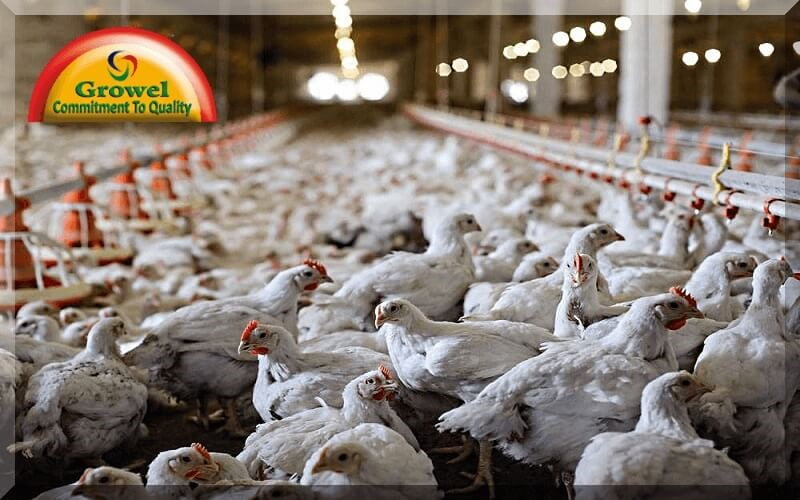
- Deep Litter System Management
- Increase depth: Maintain litter thickness at 4 to 6 inches using absorbent materials like rice husks or wood shavings.
- Frequent raking: Turn and rake the litter at least twice a week to break up caked spots and release trapped moisture.
- Use dry lime: Mix agricultural lime into damp patches or apply it lightly to neutralize moisture and control ammonia odors.
- Spot replacement: Immediately remove wet bedding around waterers and top-dress with fresh, dry material.
- Fix roof leaks and clear proper drainage around the shed.
- Use side curtains or polythene sheets to stop driving rain.
- Keep deep litter dry by turning wood shavings or rice husks often and replacing wet clumps.
Feeding & Nutrition
- Store feed in airtight, raised bins to stop fungal growth and dangerous mycotoxins.
- Mix toxin binders and extra calcium or Vitamin C into the daily feed.
- Avoid stale or wet feed; serve fresh feed in smaller amounts more often.
Lighting Management
- Add artificial fluorescent lights to extend total daylight hours to 14–16 hours per day.
- Overcome gloomy, overcast skies that otherwise trick the birds’ bodies into lowering egg hormones.
- Add artificial light: Turn on lights during dark, cloudy days to maintain a 14-to-16-hour photoperiod so laying hormones stay active
Water & Health Safety
- Clean and wash waterers every single day to stop bacteria.
- Provide clean, disinfected water mixed with stress-relieving electrolytes.
- Spray disinfectants outside the pens to control breeding flies and mosquitoes.
- Follow strict vaccination and deworming timelines.
Biosecurity
- Control flies and pests: Spray disinfectants and insecticides around the outer perimeter to cut down on breeding flies and mosquitoes.
- Strict sanitation: Use footbaths at entries and limit visitors to lower infection risks.
b). Cage system Management
To manage caged layers during the cloudy and rainy season, you must focus on controlling drafts, managing manure humidity, and maintaining artificial light to prevent production drops. Caged systems lack litter to absorb moisture, making ventilation and waste management your top priorities.
Ventilation and Microclimate
- Adjust curtains: Roll curtains down during heavy, driving rains to keep cages dry.
- Leave gaps: Keep a 1-foot opening at the top of curtains to vent moisture and ammonia.
- Run fans: Use circulation fans on humid, still days to move heavy air out of the house.
- Check layout: Ensure cages near the outer walls are not getting sprayed by wind-driven rain.
- Manage manure drying: High relative humidity prevents droppings from drying; ensure good airflow beneath cages to reduce dampness.
- Prevent runoff seepage: Keep roof gutters clear and check side curtains to ensure driving rain does not splash onto lower tiers or manure belts.
- Fly and pest control: Wet manure in rainy weather attracts flies rapidly; clear accumulated droppings frequently to maintain hygiene.
Light and Stimulation
- Supplement light: Provide 14 to 16 hours of continuous light daily using bright, clean LED bulbs.
- Turn on early: Switch lights on during dark, overcast mornings to maintain the laying cycle.
- Clean bulbs: Wipe dust and cobwebs off bulbs weekly so light intensity stays strong.
Manure and Odor Control
- Scrape frequently: Remove manure from under cages more often to prevent liquid buildup.
- Keep pits dry: Apply lime powder or superphosphate to manure pits to dry waste and bind ammonia.
- Control flies: Use larvicides in the pits, as wet manure triggers rapid fly breeding.
Feed and Cage Hygiene
- Sanitize troughs: Wipe down feed troughs daily to prevent wet feed from caking and molding.
- Check drinkers: Fix leaky nipple drinkers immediately, as cage leaks drip directly into manure pits.
- Add vitamins: Mix vitamins A, C, and E into the water to help birds cope with humidity stress.
Feed Care in Rainy season
During the rainy season, store poultry feed on elevated wooden pallets at least 1 foot off the ground and away from walls. Keep stock limited to a 4-to-5-day supply to prevent mold and caking caused by high humidity, use airtight containers, and mix in toxin binders if needed.
Storage and Placement
- Elevate bags: Place feed bags on bamboo or wooden pallets to allow air flow underneath.
- Keep away from walls: Leave space between stacks and shed walls to stop moisture transfer.
- Seal tightly: Use airtight bins or sealed containers to block damp air and pests.
Stock and Quality Control
- Buy less stock: Store only 4 to 5 days of extra feed to avoid long-term damp storage.
- Use FIFO: Practice first-in, first-out so older feed is used right away.
- Check for lumps: Discard caked, heated, or moldy feed immediately to prevent mycotoxin poisoning.
- Add binders: Mix approved toxin binders into the feed as a safety step.
- Feeding Practices
- Keep troughs clean: Avoid wooden troughs that trap moisture and grow mold.
- Don’t overfill: Put out smaller amounts of feed more often so it does not sit and get damp.
Diseases and Health Care in Rainy Season
The rainy season brings high humidity, cold stress, and dampness, creating a perfect breeding ground for toxic pathogens that significantly threaten poultry flocks. Managing these risks requires an active understanding of common seasonal diseases and strict adherence to specific biosecurity protocols.
Common Poultry Diseases in the Rainy Season
| Disease Type | Specific Disease | Common Symptoms | Primary Cause /
Triggering factor |
| Parasitic | Coccidiosis | Bloody diarrhea, ruffled feathers, rapid weight loss | Wet, warm litter |
| Bacterial | Fowl Cholera | Greenish/yellowish diarrhea, swollen wattles, purple combs | Stagnant water and wet floor bacteria |
| Bacterial | Infectious Coryza | Swollen faces, foul-smelling nasal discharge, sneezing | Poor ventilation, ammonia gas buildup |
| Viral | Newcastle Disease | Twisted necks, respiratory gasping, high mortality | Cold stress and sudden temperature drops |
| Fungal | Aspergillosis | Gasping for breath, silent panting, dynamic weight loss | Moldy feed or damp bedding |
| Physical | Mud-Balls | Lameness, broken claws, poor walking posture | Mud and manure sticking to chicken feet |
Crucial Health Care and Farm Management Protocols
a). Deep litter System
- Housing Management
- Keep litter dry: Turn the bedding material twice daily to prevent caking.
- Replace soggy spots: Instantly remove any wet patches caused by roof leaks or water spills.
- Control ammonia: Ensure cross-ventilation by using raised roof vents to prevent respiratory issues while keeping rain out.
- Provide artificial warmth: Hang electric bulbs or infrared heaters to combat cold stress, especially for young chicks.
2.Strict Feed and Water Biosecurity
- Prevent moldy feed: Store feed sacks on raised wooden pallets away from walls to block moisture absorption.
- Sanitize drinking water: Treat the water supply with chlorine or water acidifiers to destroy coli and other waterborne bacteria.
- Wash drinkers daily: Clean drinking apparatus thoroughly every morning using bleaching powder or a safe detergent.
- Serve warm water: Give lukewarm water in the early hours to encourage adequate water consumption.
- Medical Interventions and Biosecurity
- Update vaccinations: Ensure the flock is fully vaccinated against Newcastle Disease (ND) and Infectious Bursal Disease (IBD/Gumboro).
- Administer coccidiostats: Mix preventive anti-coccidial medications into the feed or water according to veterinary schedules.
- Give immune boosters: Offer water soluble vitamins (especially Vitamin C) and electrolytes to reduce cold-induced environmental stress.
- Clear stagnant pools: Fill up any external puddles around the coop perimeter to destroy mosquito breeding habitats.
b). Rainy season Risks in Cage system of management
The battery cage system offers a distinct advantage during the rainy season because it elevates birds above their droppings and eliminates wet floor litter. However, cage systems present unique risks during high-humidity periods, particularly regarding poor air movement, flies, and structural dampness.
- Ammonia Suffocation: Manure pits underneath cages become wet from high humidity and leaks, generating toxic ammonia fumes that cannot escape easily.
- Fly and Larvae Booms: Damp manure pits create the perfect breeding ground for millions of flies, which rapidly spread bacteria between cages.
- Rapid Disease Spread: Because birds live in close proximity, a single airborne or waterborne infection will sweep through an entire row in hours.
- Cage Fatigue & Lameness: High humidity combined with a lack of sunlight reduces Vitamin D synthesis, causing brittle bones and paralyzed legs.
Health Care & Management Checklist
- Manure Pit and Odour Control
- Scrape pits frequently: Remove droppings every 2 to 3 days instead of letting them pile up during wet months.
- Apply drying agents: Sprinkle hydrated lime or wood ash onto the manure under the cages daily to absorb moisture and lock in ammonia.
- Install exhaust fans: Force air across the pit level to dry out the manure and push toxic fumes out of the building.
- Specialized Feeding & Egg Care
- Check feed troughs hourly: High humidity cakes feed inside long troughs, causing toxic mold to grow directly where birds eat.
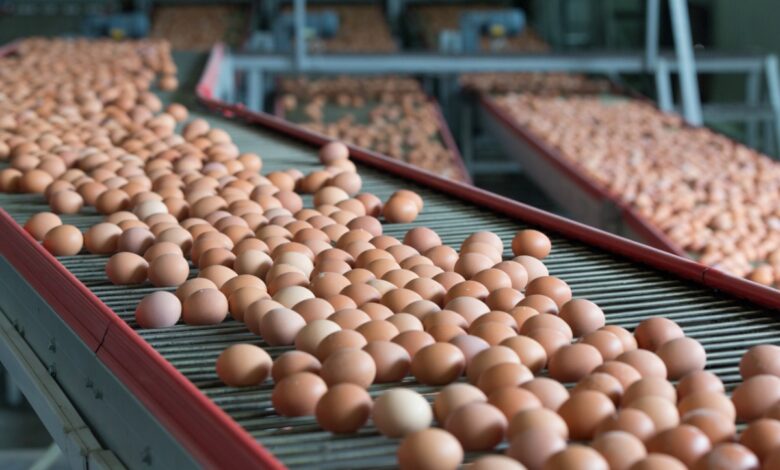
- Collect eggs frequently: Gather eggs 3 to 4 times a day so they do not sit in damp environments and absorb bacterial stains or mold.
- Boost calcium and vitamin D3: Supplement feed with extra dicalcium phosphate and water-soluble Vitamin D3 to prevent cage fatigue.
- Air and Water Management
- Adjust side curtains: Raise side curtains from the bottom up to block direct rain splashes while keeping the top open for hot air escape.
- Flush water lines weekly: High humidity warms the overhead water tanks, speeding up bacterial slime growth inside the nipple drinker pipes.
- Sanitize nipples daily: Walk down the rows and wipe down nipple drinkers with a mild disinfectant to stop the spread of respiratory bacteria from beak to beak.
Conclusion
Managing poultry during the rainy season requires strict control over high humidity and moisture. In deep litter systems, bedding must be kept deep and dry to stop ammonia buildup, while cage systems require managing roof leaks and high moisture underneath dropping pits. Both systems face elevated disease and respiratory risks if humidity goes unchecked.
(*Former and Founder VC, KVAFSU, Bidar. Bangalore & Mangal ore, Former Director IAH&VB, Bangalore, Former Prof and University head, Dept. of Pathology, Veterinary College UAS Bangalore)