Poultry India Knowledge Day 17th Edition of Poultry India Expo 2025
The Indian poultry sector witnessed one of its most transformative moments in late November 2025, as Hyderabad hosted the 17th edition of Poultry India Expo, preceded by a full day of in-depth technical dialogue in the form of Knowledge Day. Organized by the Indian Poultry Equipment Manufacturers’ Association (IPEMA), the event brought together a diverse cross-section of stakeholders — from small-scale farmers and veterinarians to global equipment manufacturers, researchers, policymakers, and international delegates.
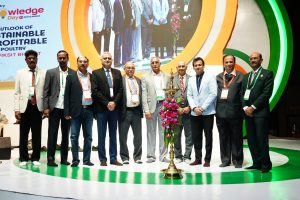

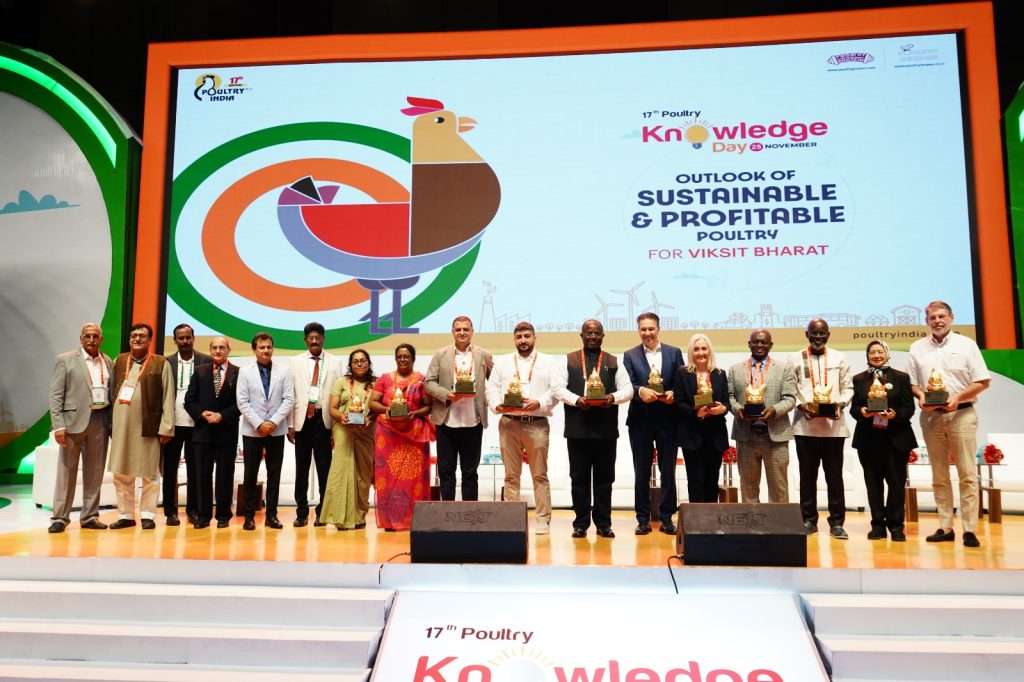
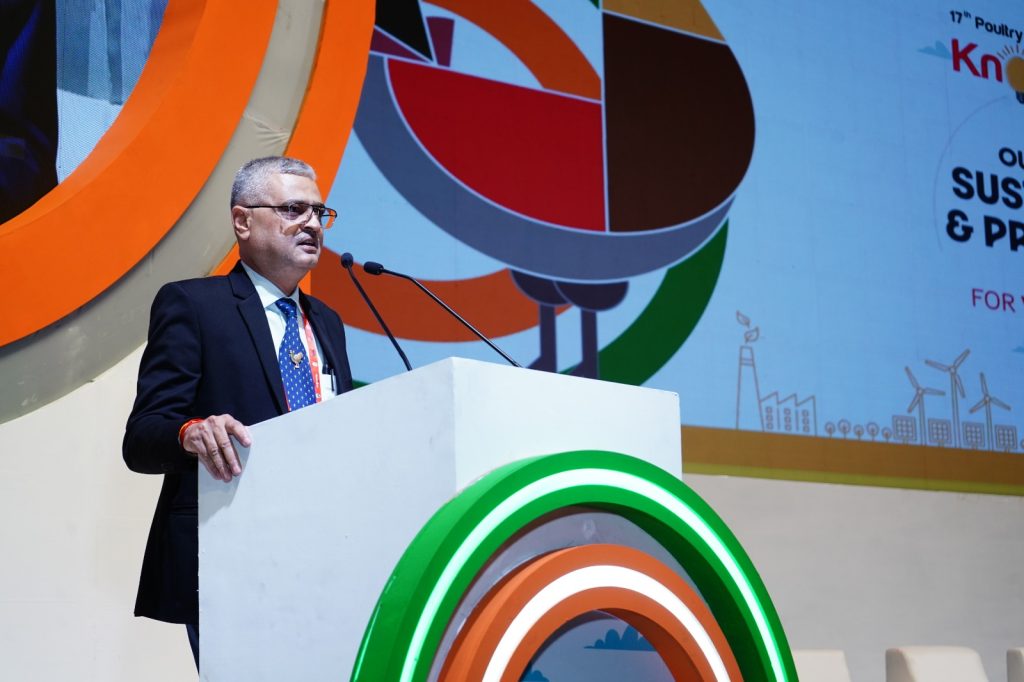
The day began with welcoming remarks, a lamp-lighting ceremony, and introductions of dignitaries, setting the tone for knowledge sharing and industry collaboration. Speakers emphasized the poultry sector’s growing importance to national health and economic goals.
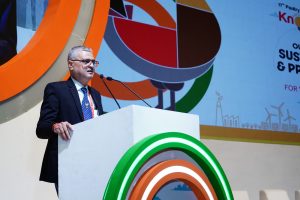
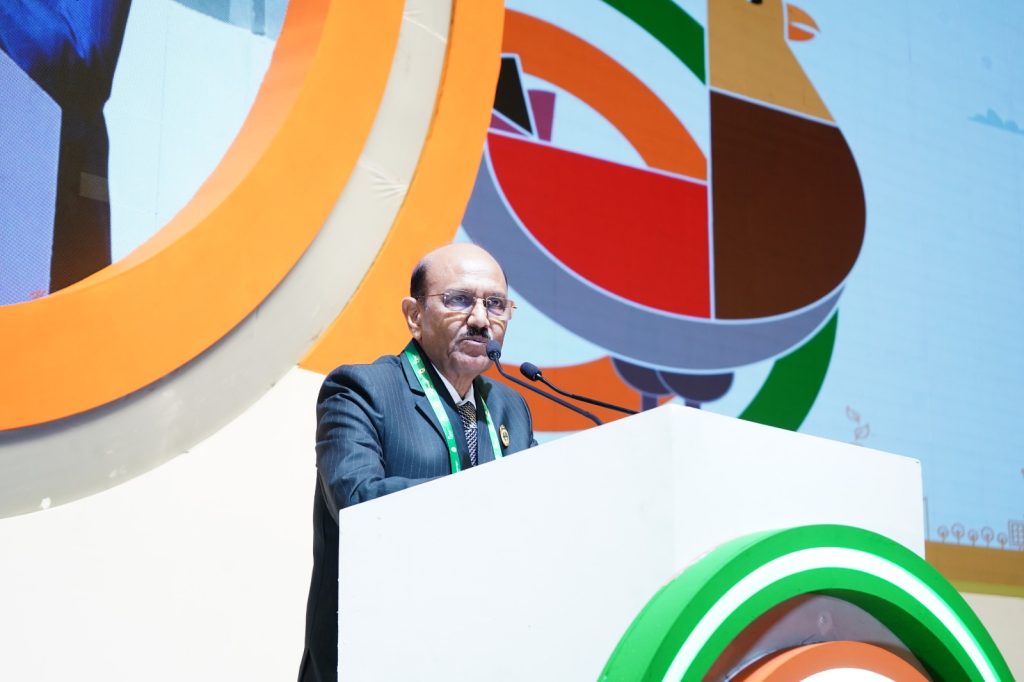
Mr. Tarun Shridhar underscored poultry’s role in achieving “Viksit Bharat 2047,” calling for sustainable farming, better protein access, and solutions to rising feed costs and disease threats. Offering a fresh perspective, Mr. Sunil Qataria urged the industry to shift from commodity-driven production to branded, value-added products, famously stating, “It’s time for our live birds to become brands.”
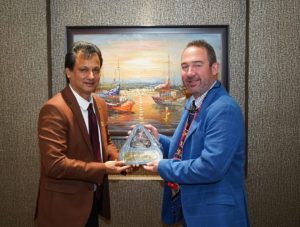
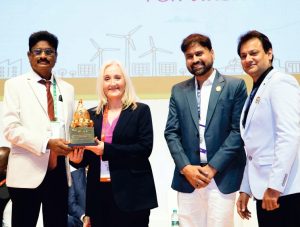

Disease control dominated discussions as Dr. Suresh Mittal stressed vaccination as the most effective tool against evolving strains of highly pathogenic avian influenza (HPAI). Nutrition expert Miss Marisabel Cabayro shared insights on early chick development, while Mr. Ricardo Arguera highlighted the growing necessity of environmentally controlled housing for optimal bird performance.
Market growth remained a recurring theme. Mr. Sanjay Panigrahi showcased the vast potential of rural markets for eggs, advocating for influencer-driven campaigns to boost consumption. Mr. Ravi Kant Banka emphasized promoting chicken as an affordable, healthy protein in rural India through targeted digital messaging.

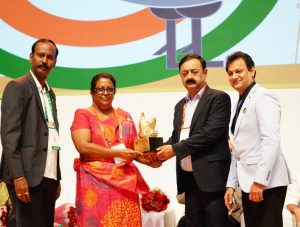
Addressing feed challenges, Mr. Deepak Parik strongly advocated for the adoption of genetically modified corn and soybean meal to ensure feed security and reduce production costs. Industry veteran Mr. OP Singh called for unity, innovation, and a collective effort to elevate the sector’s status and strengthen its foundation.

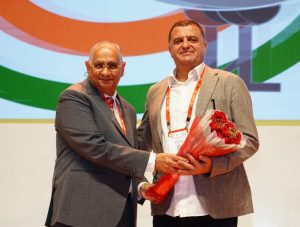
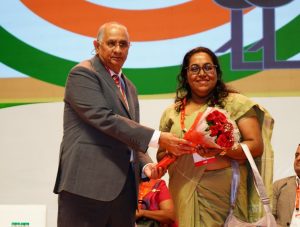
Adding motivational depth, Lt Gen KJS Dhillon shared leadership lessons from his military career, stressing resilience and the ability to turn weaknesses into strengths.
The Telangana Minister, Shri Vakiti Shrihari, applauded the state’s progress in poultry production and reaffirmed government support for disease prevention and rural entrepreneurship.
The Expo emerged not only as a trade show but also as a strategic platform to address the future direction of poultry in India: bolstering biosecurity, embedding sustainability, driving inclusion, and steering toward the vision of Viksit Bharat 2047.

The Bigger Picture: India’s Poultry Sector Today
Rapid Growth, Rising Significance
India’s poultry industry has evolved dramatically over the past few decades, scaling from modest backyard operations to a highly integrated, commercialized agri-industry. It continues to play a critical role in food security, employment generation, and rural livelihoods. According to industry data, the Indian poultry sector consumed around 32 million tonnes of feed in 2024, underlining the scale of its operations.
In 2023–24, egg production reached 142.77 billion, and the per-capita availability stood at approximately 103 eggs annually. Ministry of Food Processing Industries Poultry meat production is also on the rise, driven by changing dietary patterns, increasing urbanisation, and greater consumer acceptance of poultry as an affordable source of protein.


Economic Pressures and Resilience
Despite optimism, the sector has navigated multiple headwinds. Key among them is rising feed costs—particularly maize and soybean meal—which have squeezed producer margins. Economic analyses suggest that while input costs have been volatile, the sector is gradually bouncing back, with revenue growth of 8–10% projected in FY 2025.
Simultaneously, the industry is under mounting pressure to improve sustainability (both environmental and economic), adopt modern biosecurity measures, and prioritize disease surveillance. These challenges form the core strategic themes of this year’s Expo.

Knowledge Day 2025: The Technical Engine
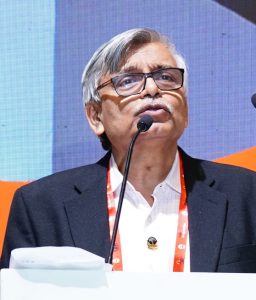
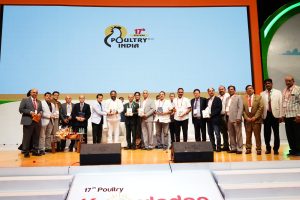
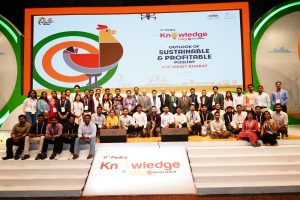
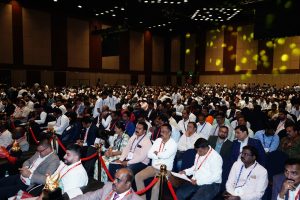
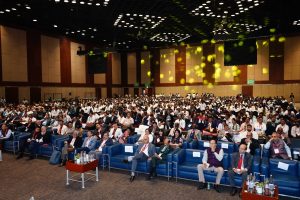
On 25 November 2025, Knowledge Day kicked off at Novotel, HITEX City, bringing together over 2,000 delegates from India and abroad. The conference’s stated purpose was “to unite the poultry community for the exchange of experiences and cutting-edge research findings in all areas of poultry technology, innovation and advancement.”
Key Sessions & Themes
Some of the highly anticipated panels and presentations included:
Breeding and Vaccination Strategies: Experts discussed next-generation vaccines and breeding techniques aimed at improving disease resistance and productivity.
Nutrition & Early Growth: With input costs surging, speakers emphasized precision feeding, optimizing nutrient uptake, and reducing wastage during the early phases of poultry growth.
Housing Innovations: A major focus was on environmental-control (EC) houses, which can significantly improve bird welfare, reduce energy usage, and mitigate disease risks.
Rural & Backyard Poultry: Several talks were devoted to unlocking rural demand, scaling small-farm operations, and integrating rural women and youth into value chains.
Leadership & Vision: Business and policy leadership were addressed in a motivational keynote urging industry actors to align their growth strategies with national development goals.
The seminar-style format also facilitated interactive Q&A sessions, panel discussions, and networking events — reinforcing the event’s role as both a learning and coalition-building forum.

Outcomes from Knowledge Day
Strengthened awareness of biosecurity threats, especially considering potential future disease outbreaks.
Renewed interest in sustainable housing solutions — especially EC houses — among small- and medium-scale producers.
Clearer roadmap for inclusive growth, with several calls to improve infrastructure, training, and access for rural poultry farmers.
Identification of collaborative opportunities between industry and academia around vaccine R&D, nutrition research, and disease diagnostics.


Expo 2025: Innovation on Display
Over the three days from 26 to 28 November, the Expo occupied seven halls at HITEX Centre, spanning approximately 35,000 sq metres, and hosted 500+ exhibitors from more than 50 countries.
Zones & Showcases
The exhibition was segmented into multiple thematic zones to highlight the breadth of the poultry ecosystem:
1. Breeding & Hatchery Zone: Automated hatchers, parent stock management solutions, and genetic-technology displays attracted large footfall.
2. Feed & Nutrition Pavilion: Suppliers presented innovations in alternative feed ingredients, precision nutrition, premix formulations, and cost-saving feed strategies.
3. Housing & Infrastructure: Key exhibitors showcased EC-housing, climate-controlled poultry sheds, modular housing systems, and energy-efficient infrastructure.
4. Health & Diagnostics: Vaccines, in-ovo vaccination systems, rapid disease-detection kits, and biosecurity hardware were demonstrated.
5. Automation & IoT: Smart farm solutions, sensors for temperature/humidity, water-automation systems, and cloud-based farm-monitoring platforms were on display.
6. Waste Management & Sustainability: Systems for manure processing, biogas production, and zero-waste strategies attracted significant attention — particularly from environmentally conscious integrators.
Business & Networking
Live Demonstrations: Many exhibitors ran live demos of feeding systems, environmental controls, and diagnostic kits, allowing visitors to experience technology first-hand.
Trade Delegations: Delegates from across Asia, Europe, and Africa explored partnerships, joint-ventures, and export opportunities.
Investor Forums: Startups pitching solutions in biotech, IoT, and sustainable practices received visibility and potential investment interest.
Policy Engagement: Government officials, policy thinkers, and industry veterans held informal roundtables to discuss regulatory challenges, export potential, and the vision for Poultry India’s “One Nation, One Expo.”
Impact on Value Chain
Farmers & Integrators: Access to scalable technologies that were earlier affordable only to large producers; practical solutions for cost control and disease management.
Veterinary Sector: Enhanced collaboration between health-tech firms, vet schools, and on-ground practitioners.
Researchers & Academics: The exchange of peer knowledge and exposure to industry-scale challenges helped crystallize future research priorities.
Exporters & Global Players: Opportunity to assess India’s poultry manufacturing ecosystem and explore export-led growth.
Book Launches: Knowledge Meets Vision
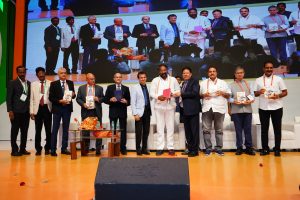
One of the intellectual highlights of the Expo was the launch of two influential books, underscoring the commitment to scholarship and long-term strategic vision.
1. “Indian Poultry Sector: Road Map to Viksit Bharat 2047” by Dr. P. K. Shukla
This book offers a comprehensive strategic framework, charting the Indian poultry industry’s evolution towards “Viksit Bharat 2047.”
Dr. Shukla examines policy interventions, productivity levers, technological adoption, export modalities, disease control, and inclusive growth.
The book has already been hailed by industry leaders as a timely blueprint for aligning poultry-sector ambitions with national socio-economic goals.
2. “Systemic Diseases of Poultry” by Dr. R. N. S. Gowda
A scientific and practical guide on the major systemic diseases that affect poultry — from pathogenesis to prevention and control.
It includes diagnostic protocols, case studies, and treatment strategies, making it an essential reference for veterinarians, farm managers, and poultry-health researchers.
The book’s release resonated strongly, especially given the growing importance of biosecurity and disease resilience in poultry operations.
These launches not only enriched the Expo’s intellectual landscape but also provided lasting resources for the industry’s academic, technical, and commercial stakeholders.
Strategic Themes: Biosecurity, Sustainability & Inclusion
1. Biosecurity: The Unavoidable Imperative
The threat of avian influenza (HPAI) and other emerging diseases was a recurring concern throughout Knowledge Day and the Expo. New vaccine platforms, rapid diagnostics, and biosecure housing systems constituted a significant portion of exhibitors’ offerings. The emphasis on robust disease surveillance and rapid response systems signaled that the industry no longer views biosecurity as optional — but foundational.
2. Sustainability: Greener, Smarter Production
Feed Efficiency: Nutritional scientists and feed companies showcased ways to reduce input costs without compromising bird health.
Green Housing: EC houses, energy-efficient fans, solar-powered systems, and optimized manure management helped address both environmental and economic sustainability.
Manure & Waste Valorization: Systems converting poultry litter into biogas or organic fertilizer attracted interest from both commercial and rural producers, highlighting circular-economy potential.
Inclusion & Social Impact
A major undercurrent of the Expo was the inclusion of small-scale and backyard poultry farmers. Discussions and displays emphasized:
Training and capacity building for rural farmers.
Gender inclusion, especially empowering women in poultry leadership and entrepreneurship.
Value-chain participation for marginalized communities and under-served geographies.
These conversations aligned closely with IPEMA’s broader vision, which underscores the need for Poultry India to remain not just commercially vibrant, but socially equitable.
Leadership & Industry Voices
IPEMA’s Vision
Mr. Uday Singh Bayas, President of IPEMA, played a central role in the Expo. In his opening remarks and media interactions, he reiterated that the 2025 Expo was not just a trade fair—but a strategic mission. He urged stakeholders to embrace technology, biosecurity, and inclusive growth, linking the poultry sector’s ambitions to national goals like Viksit Bharat 2047.
He also highlighted IPEMA’s commitment to:
Promoting organic and free-range farming.
Enhancing exports via disease control and quality standardization.
Integrating AI/IoT for operational efficiencies.
Advocating nutrition programs, such as daily eggs in school mid-day meals, to bolster child health.
Expert Thought Leadership
Leading academics and industry stalwarts reiterated the importance of long-term planning, especially in scaling EC housing and precision nutrition.
Veterinarians and pathologists stressed systemic disease control, advocating for deployment of diagnostic and vaccine infrastructure even at small-farm levels.
International delegates underscored the export potential of Indian poultry, calling for stronger cold-chain infrastructure, quality compliance, and trade facilitation.
Challenges Ahead & Strategic Recommendations
While the Expo highlighted significant progress, industry leaders did not shy away from acknowledging persistent challenges:
1. Feed Cost Volatility Despite innovation in feed formulation, feed cost remains a major concern. Integrators and small farmers alike need better risk-management mechanisms, such as bulk procurement, forward contracts, and alternate feed ingredients.
2. Disease Risk & Biosecurity Continued vigilance is essential. Widespread adoption of diagnostics, vaccination, and bio-secure infrastructure is necessary to prevent disease-driven losses.
3. Access to Capital & Technology For many small and mid-scale farmers, the upfront cost of modern housing or automation is prohibitive. Funding and incentive programs from government and private sector will be essential.
4. Export Readiness While global interest in Indian poultry is rising, exporters often cite challenges: cold chain gaps, regulatory barriers, and inconsistent quality. Addressing these could unlock major global market potential.
5. Sustainability & Environmental Footprint Manure management, energy use, and carbon footprint remain under-optimized in many operations. Circular-economy models — such as turning litter into fertilizer or biogas — need to scale faster.
6. Inclusive Growth Scaling participation of rural, women, and small-farm stakeholders requires structured capacity-building initiatives, financial inclusion, and local infrastructure.
The Way Forward: Legacy of Expo 2025
As the 17th Poultry India Expo closed its doors on 28 November 2025, its impact extended far beyond the exhibition halls. The event-built momentum on several strategic fronts:
Knowledge Legacy: Through Knowledge Day, attendees carried back new science, best practices, and global perspectives.
Technology Diffusion: Many exhibitors reported immediate business deals, pilot projects, and follow-up conversations.
Policy Engagement: IPEMA and policymakers signalled intent to align future agendas with long-term national goals.
Inclusive Mobilization: Commitments for training, capacity building, and technology access were reinforced, with a focus on underserved segments.
Sustainability Commitment: Green infrastructure, waste valorisation, and biosecurity are now more central to the poultry roadmap.
Poultry India Expo 2025 and its associated Knowledge Day marked a watershed moment for the Indian poultry sector. They reflected not just the industry’s current might, but also its emerging maturity — one driven by innovation, scientific rigor, strategic vision, and social purpose.
The Expo’s message was unmistakable: India’s poultry journey is no longer just about volume. It is about smart growth — underpinned by biosecurity, sustainability, technology, and inclusiveness. With the launch of two seminal books, thought leadership has now been institutionalized, signalling a commitment to long-term resilience.
As the stakeholders dispersed at the end of the event, the collective optimism was clear. The road to Viksit Bharat 2047 may be challenging, but with aligned vision, shared purpose, and technical excellence, the poultry industry is laying strong foundations for the next generation of growth.