IPEMA–Poultry India Team Visits Kesla
IPEMA–Poultry India Team Visits Kesla, Madhya Pradesh, Reinforcing the Strength of Women-Led Smallholder Poultry Institutions
Kesla / Bhopal, Madhya Pradesh | 21–22 January 2026
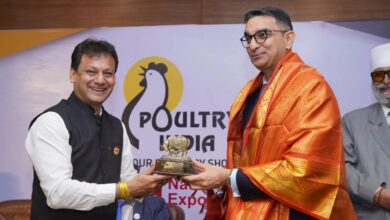
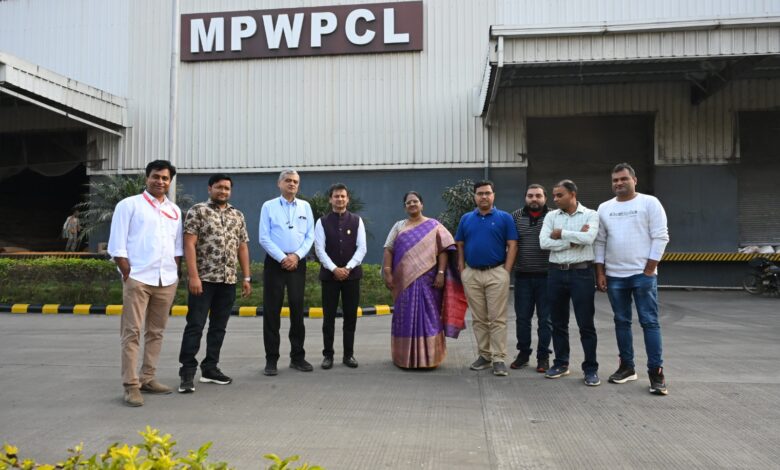
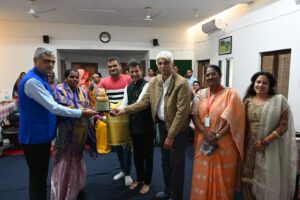
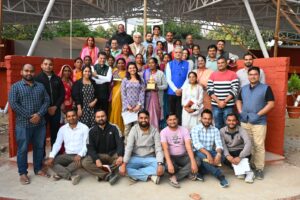
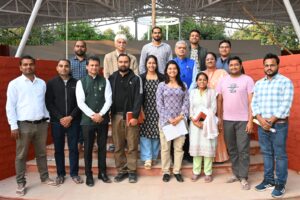
The IPEMA–Poultry India team, led by its president, Mr. Uday Singh Bayas, undertook a two-day field visit to Kesla village, Madhya Pradesh, on 21st and 22nd January 2026, to engage with KPS—Kesla Poultry Society and MPWPCL—Madhya Pradesh Women Poultry Producers Company Pvt. Ltd. The visit highlighted a nationally significant example of inclusive, community-owned poultry development that integrates grassroots empowerment with professional management and industrial-scale efficiencies.
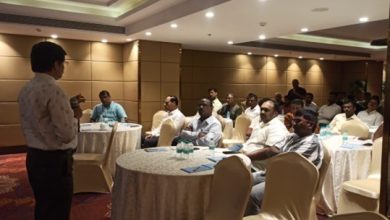
The engagement reflected shared values of respect, mutual learning, and a strong commitment to the sustainable and inclusive growth of India’s poultry sector. Discussions focused on the economics of smallholder and commercial poultry production, women-led cooperative institutions, governance of producer-owned enterprises, and pathways for effectively integrating smallholders into organized poultry value chains.
Understanding a Proven Smallholder Poultry Ecosystem
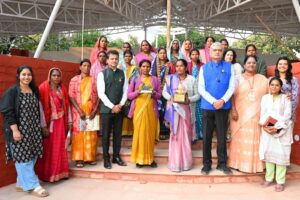
The Kesla poultry initiative traces its origins to 1993 in the tribal block of Kesla, Madhya Pradesh, where decentralized broiler farming was introduced as a livelihood intervention for landless and marginal households, particularly women from tribal and Dalit communities. Over time, this intervention evolved into one of India’s most successful women-led poultry cooperative models, culminating in the formation of Madhya Pradesh Women Poultry Producers Company Limited (MPWPCL) in 2006 as a federated producer company.
Today, this model demonstrates that smallholder poultry farming—when collectivized, professionally managed, and supported by strong backward and forward linkages—can be economically competitive with large commercial enterprises while delivering far-reaching social and livelihood impact.
Scale, Impact, and Backward Integration of MPWPCL
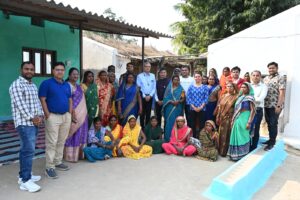
MPWPCL currently operates across 17 districts of Madhya Pradesh, engaging more than 9,000 women poultry producers organized into 17 producer collectives spread over 300+ villages. Collectively, these institutions have generated annual revenues exceeding ₹455 crore, with annual producer incomes surpassing ₹20–25 crore, while also creating dignified employment for over 1,000 community youth.
During the visit, the IPEMA delegation received an in-depth walkthrough of MPWPCL’s integrated operations, led by Mr. Deepak Tushir, Chief Executive Officer, MPWPCL, who guided the team through the enterprise’s value chain, institutional architecture, and operational systems. The delegation also benefited from extensive knowledge sharing by Mridu Pawan Hazarika, Chief Operating Officer, MPWPCL, who shared insights on the economics of smallholder poultry, cooperative governance, risk management, and the balance between social impact and commercial viability.
The delegation also visited MPWPCL’s modern, fully automated pellet feed manufacturing plant at Kiratpur Industrial Area, Itarsi, established in 2018. With a current production capacity of 200–250 metric tonnes per day, the facility ensures consistent feed quality for over 9,000 women producers and plays a critical role in strengthening productivity, cost efficiency, and resilience across the women-led poultry value chain.
IPEMA’s Perspective and Way Forward
The visit was further enriched by the guidance of Dr. P. K. Shukla, President, Indian Poultry Science Association, whose perspectives reinforced the scientific, institutional, and economic robustness of the Kesla smallholder poultry model.
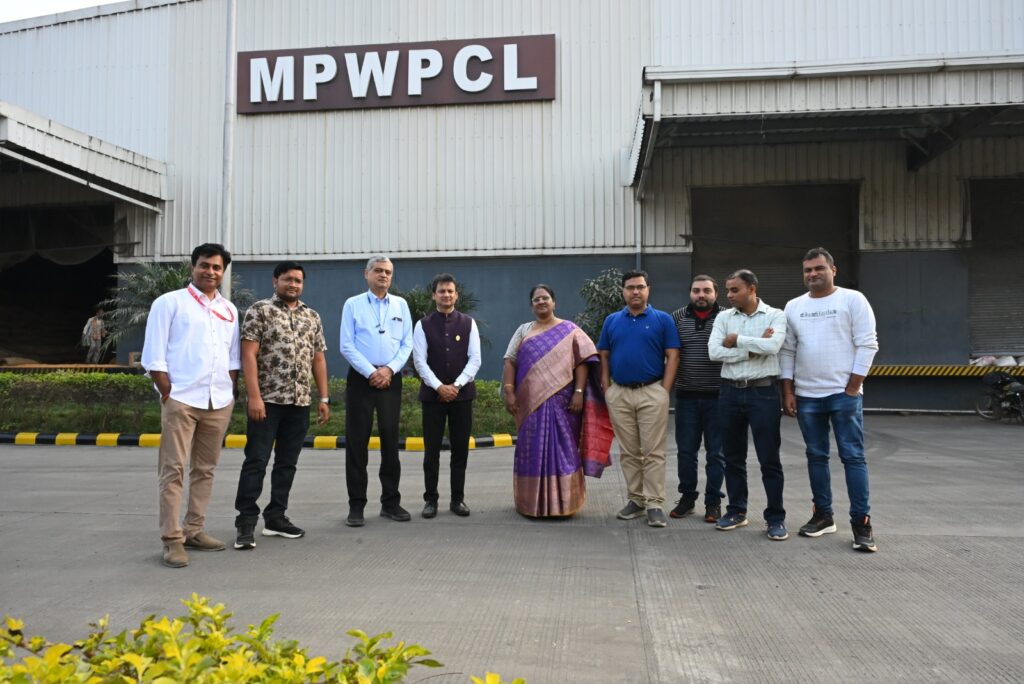
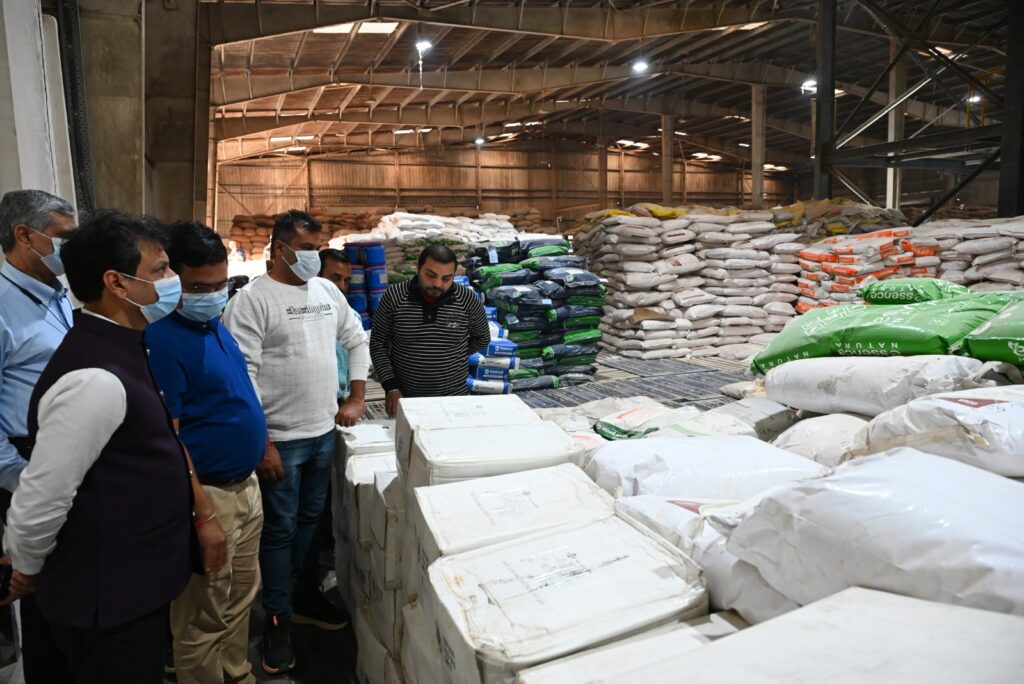
Speaking on behalf of IPEMA–Poultry India, Mr. Uday Singh Bayas, President, stated that the Kesla–MPWPCL experience stands as a living demonstration of how professionally managed, women-led smallholder poultry systems can complement commercial poultry enterprises while delivering deep and lasting social impact. He reiterated IPEMA’s commitment to supporting such grassroots institutions and strengthening collaborations that advance inclusive growth, sustainability, and resilience in India’s poultry sector.
Issued by:
IPEMA – Poultry India