Heat Stress in Poultry a hidden Threat to Health and Production
Dr.R.N.S.Gowda
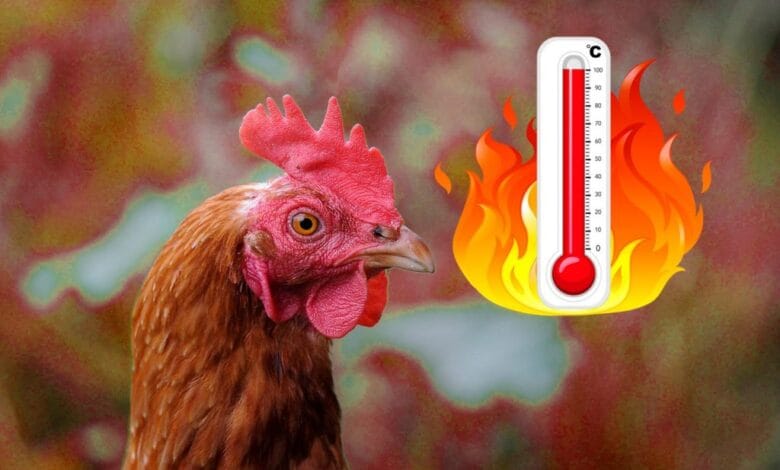
Heat stress and extreme hot climate significantly impact poultry, primarily because birds lack sweat glands and rely on evaporative cooling (panting) to maintain body temperature. These conditions disrupt physiological homeostasis, leading to severe health complications and substantial production losses.
- Impact on Poultry Health
- Gut Health (“Leaky Gut”):Heat stress diverts blood flow away from internal organs to the skin to facilitate cooling. This causes hypoxia (oxygen deficiency) in the intestines, leading to oxidative stress, inflammation, and increased intestinal permeability. This “leaky gut” allows harmful bacteria like Salmonella and coli to enter the bloodstream.
- Immune Suppression:High temperatures activate the HPA axis, releasing corticosterone, which suppresses immune function. This leads to the atrophy of lymphoid organs (spleen, thymus, bursa) and reduces antibody production, making flocks more susceptible to diseases like Newcastle Disease and Gumboro.
- Respiratory Alkalosis:Excessive panting causes birds to exhale too much raising blood pH and making it alkaline. This imbalance depletes blood calcium and bicarbonate, which are essential for bone health and eggshell formation.
- Behavioral Changes:Affected birds exhibit lethargy, wing spreading, and increased water consumption while significantly reducing feed intake to minimize metabolic heat.
- Impact on Production Performance
- Broilers:Heat stress leads to a sharp decline in Body Weight Gain (BWG) and a higher Feed Conversion Ratio (FCR). It also negatively affects meat quality, causing “pale, soft, and exudative” (PSE) meat with reduced water-holding capacity.
- Layers:High temperatures cause a marked decrease in egg production (sometimes by 20–30%), smaller egg size, and poor eggshell quality (thin or cracked shells) due to calcium deficiency and alkalosis.
- Reproduction:In breeders, heat stress reduces fertility and hatchability. It impairs sperm quality and concentration in males and disrupts ovulation and follicle development in females.
- Mortality:In extreme cases, acute heat waves can lead to catastrophic mortality rates, sometimes reaching 5–50% depending on management and humidity levels.
- Management & Mitigation Strategies
Effective management of heat stress requires a multifaceted approach involving environmental control, water management, and critical adjustments to feeding schedules.
- Environmental & Housing Control
- Maximize Ventilation:Ensure air velocity reaches 5–3 meters per second at the bird level. In tunnel-ventilated houses, exhaust fans should move 3–4 cubic meters of air per minute per bird.
- Evaporative Cooling:Use foggers or misters only when relative humidity is below 60%; at higher humidity, they can worsen heat stress by preventing evaporative cooling.
- Roof Protection:Paint roofs white to reflect up to 32°C of surface heat or use thatched insulation made of agricultural waste like paddy straw to naturally cool the shed.
- Stocking Density:Reduce density by 10–20% during peak summer months to increase floor space per bird (aim for 0.12 m² per bird) and facilitate better air circulation.
- Strategic Feeding Schedules
- Peak Heat Withdrawal:Entirely withdraw feed 6 hours before the anticipated peak temperature (typically 10 AM to 4 PM). Digestion generates 15–20% additional body heat, which can be fatal during peak ambient heat.
- Cool Hour Feeding:Provide 60–66% of the daily ration in the late evening (after 6 PM) and the remaining 33–40% in the early morning (before 8 AM).
- Midnight Snacks:Implement a 1–2 hour midnight lighting period to encourage extra feed consumption during the coolest part of the night.
- Enhanced Water Management
- Temperature Control:Maintain drinking water below 25°C. Birds drinking cool water can lower their core body temperature by up to 5°C.
- Pipeline Flushing:Regularly flush water lines to remove warm, standing water and prevent biofilm buildup, which accelerates in high temperatures.
- System Protection:Insulate overhead tanks or paint them white to reflect sunlight. Underground pipelines are the most effective way to keep water naturally cool.
- General Best Practices
- Litter Management:Keep litter depth between 2–3 inches; thick litter generates additional heat from decomposition.
- Minimize Disturbances:Schedule vaccinations, bird transfers, and pen cleaning during night or early morning hours to avoid unnecessary physical stress.
- Light Intensity:Reduce light during the hottest part of the day to lower bird activity and metabolic heat production.
Specific nutritional supplements for poultry during heat stress:
Focus on restoring electrolyte balance, providing antioxidants to combat oxidative stress, and protecting gut integrity. Key interventions include supplementing vitamins C and E, osmolytes like betaine, and specific mineral formulations.
Antioxidant Vitamins
- Vitamin C (Ascorbic Acid):Birds may not synthesize enough Vitamin C during heat stress. Supplementing Vitamin C supports feed intake, weight gain, and eggshell quality.
- Vitamin E:Acts as a chain-breaking antioxidant that protects cell membranes from lipid peroxidation. It is often combined with Selenium to support growth and immune function.
- Vitamin A:Promotes feed intake and laying rates while supporting immunity.
- Electrolytes and Acid-Base Balancers
- Heat-stressed birds lose significant electrolytes through panting, leading to respiratory alkalosis.
- Sodium Bicarbonate:Helps restore blood pH and provides bicarbonate for eggshell formation.
- Potassium Chloride (Kcl):Used in drinking water to replace lost potassium and reduce body temperature.
- Ammonium Chloride:Used to lower blood pH when it becomes too alkaline.
Osmolytes and Gut Health
- Betaine:A highly effective organic osmolyte that helps cells retain water and maintain their structure. Supplementing betaine supports growth, breast meat yield, and intestinal villus height.
- Probiotics:Strains like Saccharomyces cerevisiae stabilize gut microbiota and have been shown to help manage core body temperature.
- Organic Acids:Short and medium-chain fatty acids help maintain a low gut pH, reducing the risk of “leaky gut” infections.
- Essential Trace Minerals
- Chromium:Enhances insulin sensitivity, which helps birds clear glucose more efficiently to meet elevated energy demands.
- Zinc and Manganese:Crucial co-factors for enzymes involved in eggshell and membrane formation.
- Selenium:Boosts antioxidant enzyme levels and antibody production to counteract immunosuppression.
- Product Options
- Vitakrome-C (RGS Vet): A Vitamin C supplement designed to reduce heat-related mortality and boost immunity.
- HeatBeat (Indian Herbs): A combination of Natural Vitamin C, Organic Chromium, and Mint, which provides a cooling sensation and reduces stress behavior.
- Thermozen WS: A water-soluble supplement containing electrolytes, vitamins, and probiotics specifically for treating dehydration and supporting gut health during heat waves.
HEALTH CARE
Disease control during heat waves is critical because heat stress
causes immunosuppression, making poultry more susceptible to bacterial, viral, and parasitic infections. High temperatures reduce the weight of immune organs (spleen, thymus, bursa) and lower the production of circulating antibodies like IgG and IgM.
- Common Summer Diseases
- Viral Infections:Heat waves often see a higher prevalence of Newcastle Disease (ND) and Gumboro (IBD). Other risks include Avian Influenza (AI) and Infectious Bronchitis (IB).
- Bacterial Infections:Compromised gut integrity (“leaky gut”) allows pathogens like coli (Colibacillosis) and Salmonella to enter the bloodstream. Necrotic Enteritis and Fowl Cholera are also common during summer stress.
- Parasitic Outbreaks:Warm, humid conditions favor the growth of Coccidiosis.
- Vaccination Strategies
Heat stress can lead to vaccine failure due to poor immune response or improper handling.
- Timing:Vaccinate only during the coolest hours (early morning or late evening) to avoid adding physical stress to the birds.
- Cold Chain Management:Maintain vaccines strictly at 2–8°C. Use cooler boxes with ice packs during transport and preparation.
- Water Quality:Use non-chlorinated, cool water for mixing. Chlorine and chemical disinfectants can destroy live virus vaccines.
- Healthy Birds Only:Never vaccinate birds already showing signs of sickness or severe heat distress, as their immune systems cannot mount an adequate response.
- Biosecurity and Hygiene
- Water Sanitation:High temperatures accelerate bacterial growth in pipelines. Flush lines every 48 hours and use water acidifiers or sanitizers (e.g., hydrogen peroxide).
- Litter Management:Keep litter dry and thin (2–3 inches); wet, thick litter generates ammonia and heat, predisposing birds to respiratory and footpad issues.
- Vector Control:Control mosquitoes, flies, and rodents, as they are primary carriers of diseases like Fowl Pox and Salmonella during summer.
Standard vaccination schedules for layer birds
During heat waves, standard vaccination schedules for layer birds must be adjusted to account for heat-induced immunosuppression and the extreme sensitivity of live vaccines to high temperatures.
- Critical Timing Adjustments
- Cool Hour Window:Administer all vaccines only during the coolest hours of the day, typically between 6:00 AM and 8:00 AM or after 7:00 PM.
- Avoid Peak Heat:Never vaccinate between 10:00 AM and 5:00 PM. High ambient temperatures increase bird stress and can inactivate live respiratory vaccines (like ND and IB) before they are even consumed.
- Post-Vaccination Recovery:Provide multivitamins and anti-stress supplements for 2–3 days following vaccination to help the immune system respond despite the environmental heat.
- Enhanced Cold Chain Protocols
- Transport and Storage:Maintain a strict temperature of 2°C to 8°C. Use insulated coolers with double the standard amount of ice packs during heat waves.
- Reconstitution:Use chilled, non-chlorinated water for mixing. If using tap water, let it sit overnight to allow chlorine to dissipate, as chlorine kills live vaccine viruses.
- Stabilizers:Add Skim Milk Powder (2–5g per liter) to the water 20 minutes before adding the vaccine. This neutralizes any remaining chlorine and acts as a protective “shield” for the vaccine.
- Optimized Drinking Water Administration
- Thirst Management:Withhold water for only 1–2 hours before administration. Longer deprivation during a heat wave can lead to severe dehydration and aggravate heat stress.
- Consumption Speed:Ensure the flock consumes the entire vaccine solution within 5 to 2 hours. If it sits longer in warm water lines, its potency drops significantly.
- Line Flushing:Drain and flush water lines with untreated, cool water immediately before vaccination to remove warm water and biofilm.
- Layer-Specific Priorities
- Respiratory Protection:Newcastle Disease (ND) and Infectious Bronchitis (IB) are highly sensitive to heat. During summer, prioritize live-killed combination boosters to ensure longer-lasting mucosal immunity.
- Bacterial Risks:Because heat causes “leaky gut,” ensure vaccinations for Infectious Coryza and Salmonella are up to date, as these bacterial challenges often spike in summer.
(*Former and Founder VC, KVAFSU, Bidar. Former Director IAH&VB, Bangalore, Former Prof and University head, Dept. of pathology, Veterinary College UAS Bangalore)