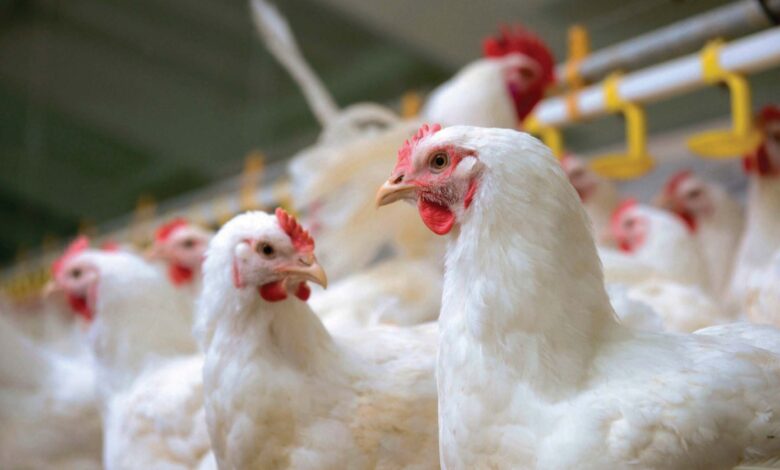
Management of Layer Birds During Winters
Surbhi Singh1, Raj Kapoor Verma, S.S. Kashyap Department of Livestock Production and Management, Department of Livestock Farm complex
A.K. Verma, K.D. Singh Department of Livestock Farm complex.
Shrey Gautam3, Department of Animal Nutririon
Sonu Jaiswal4. Veterinary Clinical Complex, College of Veterinary Science and Animal Husbandry
C.V.Sc. & A.H., Acharya Narendra Deva University of Agriculture and Technology, Kumarganj, Ayodhya-224229
INTRODUCTION
Winter is a critical season for layer poultry farming in Uttar Pradesh. From December to February, farmers face cold nights, dense fog (kohra), chilly winds, and high humidity, especially in eastern and central UP. These conditions cause cold stress, which directly affects feed intake, egg production, egg quality, bird health, and farm profitability. Layer birds are highly sensitive to environmental stress. During winter, a major portion of feed energy is used to maintain body temperature, leaving less energy for egg production. However, with simple, low-cost, and scientific winter management practices, farmers can successfully maintain production even in harsh winter conditions.
Why Winter Becomes a Problem for Layer Birds
In winter, birds face:
- Increased cold stress
- Reduced daylight hours
- Higher energy requirement
- Higher risk of respiratory diseases
- Wet litter and ammonia buildup
- To get maximum profit out of poultry farming in winter, proper management of temperature, humidity, litter
- feed, water, light and ventilation should be there. These practices are of much importance while managing the birds as they affect their health and production.
While doing poultry farming in winter, farmers should keep following points in mind –
- Poultry house management: – Temperature maintenance of poultry house is of utmost importance for day old chicks as well as for adult birds. For day old chicks, shed should be pre-heated one to two days before the arrival of chicks. Day old chicks are most susceptible to cold stress because they are not insulated with feathers and produce less heat than adult birds hence winter stress to chicks can affect their growth rate to a great extent. House or shed should be built in such a way that maximum sunlight reaches the shed during winters, mostly east-west arrangement of a rectangular poultry house gives the greatest intensity of sunlight in winters. Uniformity of temperature in the poultry shed is also an important factor. Behaviour of birds is used to assess that whether the birds are comfortable in the poultry shed or not. If the birds are sitting closer to each other causing crowding, this means the temperature is low in the shed which is making the birds stressed. This can be managed by increasing the heat of the source or installing extra heat sources in the shed. There are some open spots in the poultry houses where gunny bags could be hanged down to protect the poultry from chilled air.
- Poultry house ventilation: – Sliding windows should be installed in poultry houses which can be operated by the farmer to maintain the temperature of the house. These windows can be opened during daytime to recycle the air generated in the shed with fresh surrounding air and can be closed in night to keep the shed warm. If ventilation is not proper, it will lead to respiratory problems in birds. Ventilation rate may be increased if there is ammonia or wet litter problem.
- Poultry litter management: – Proper bedding material on the floor serves as a protection of birds from cooling impact of ground and decreases dampness of litter. Around 6 inches of litter is required in houses in winter. The litter is required to be maintained efficiently because it gets wet quiet easily with water coming from drinkers, droppings and roof. If not maintained it can result in anaerobic bacterial growth and eventually ammonia production which is detrimental for bird’s health. When the litter gets wet, it leads to the formation of cakes which implies that the litter needs to be replaced.
- Poultry feeding management: – Poultry utilizes nourishment to keep up or maintain the body temperature. When climate gets cold, the feed needs to be increased as during winter, birds require additional vitality for keeping up their body temperature. That’s why poultry feed should have a high caloric value as compared to feed given in summer season because such type of feed keeps the birds warm. In winter, 3400 Kcal/kg ME and 23% protein is required. Raising the amino acid levels, even above recommended levels, will support better food conversion ratio (FCR), high growth rates and maximum egg production level.
- Poultry light management: –Light management also plays an important role in winters. Birds go on moulting in winters, and during this phase birds go out of production. In such circumstances, it is very much important to give extra light to keep them in production. Normally, 14-16 hours light duration is recommended. Therefore, hanging a light bulb in the shed can be considered to extend the daylight hours for proper egg production by layers.
Winter Respiratory Diseases:
CRD – Chronic Respiratory Disease
(Local name: Sardi wali bimari / Thandi ki bimari)
Common signs:
- Sneezing and coughing
- Nasal discharge
- Swollen face or sinuses
Management of CRD
- Maintain strict biosecurity on the farm.
- Keep litter dry and clean.
- Proper disposal of dead birds
- Provide proper ventilation to remove dust and harmful gases.
Infectious Coryza
(Local name: Naak aur chehre ki sujan, Nakk phoolna)
Common signs:
- Severe swelling of face and eyes
- Watery eyes and nasal discharge
- Foul smell from beak
- Drop in feed intake and egg production
Management of Infectious Coryza
- Isolate infectious bird.
- Maintain proper sanitation and ventilation.
- Avoid overcrowding of birds.
Infectious Bronchitis
(Local name: Khansi wali bimari / Anda girne ki bimari)
Common signs:
- Coughing and gasping
- Respiratory distress
- Sudden egg drop
- Poor egg shell quality
Management of Infectious Bronchitis
- Maintain good ventilation and hygiene.
- Avoid overcrowding to reduce stress.
- Follow proper vaccination program.
Coccidiosis
(Local name: Khooni dast / Laal potty)
Common signs:
- Bloody droppings
- Weakness
- Reduced growth and egg production
Management of Coccidiosis
- Always keep litter dry and clean.
- Avoid overcrowding.
- Ensure good ventilation to reduce moisture.
- Regular use anticoccidial drugs in feed and water.
Feeding for Cold Days: Energy Is the Key
Cold weather increases the energy requirement of layer birds.
- Birds eat more feed in winter
- Increase energy using maize or small oil supplementation
- Feed birds during early morning and late evening
- Keep feed dry and mold-free
- Supplement Vitamin A, D, and E to improve immunity and egg quality
Proper feeding ensures birds use energy for egg production, not just body heat.
Water: The Silent Reason Behind Egg Drop
Water intake decreases in winter but remains equally important.
- Ensure clean, fresh water at all times
- Provide slightly lukewarm water during extreme cold
- Clean drinkers daily
- Low water intake leads to sudden egg drop
Paani kam = Anda kam
Light Is Life: Prevent Winter Egg Drop
Short days reduce laying hormones.
- Provide 14–16 hours of light daily
- Use bulbs or LED lights
- Ensure uniform light distribution
- Timers help maintain a fixed lighting schedule
Proper lighting keeps birds in continuous egg production.
Health Care: Prevention Is Better Than Loss
- Follow proper vaccination schedule
- Avoid overcrowding
- Keep litter dry and ammonia-free
- Use vitamins and electrolytes as preventive support
- Call a veterinarian at early signs of disease
Early action saves birds, feed, and money.
Egg Collection & Handling: Protect Every Anda
- Collect eggs frequently, especially in the morning
- Cold and damp nests increase cracks
- Store eggs in a clean, dry, moderately warm place
- Avoid sudden exposure of eggs to cold air
Good egg handling improves market value and profit.
Conclusion
Winter does not have to be a loss-making season for layer farmers in Uttar Pradesh. With proper housing, balanced feeding, clean water, adequate lighting, and timely health care, winter stress can be effectively managed.
Simple, affordable, and scientific practices help farmers maintain bird health, egg production, and farm profitability, even during harsh winter conditions.